
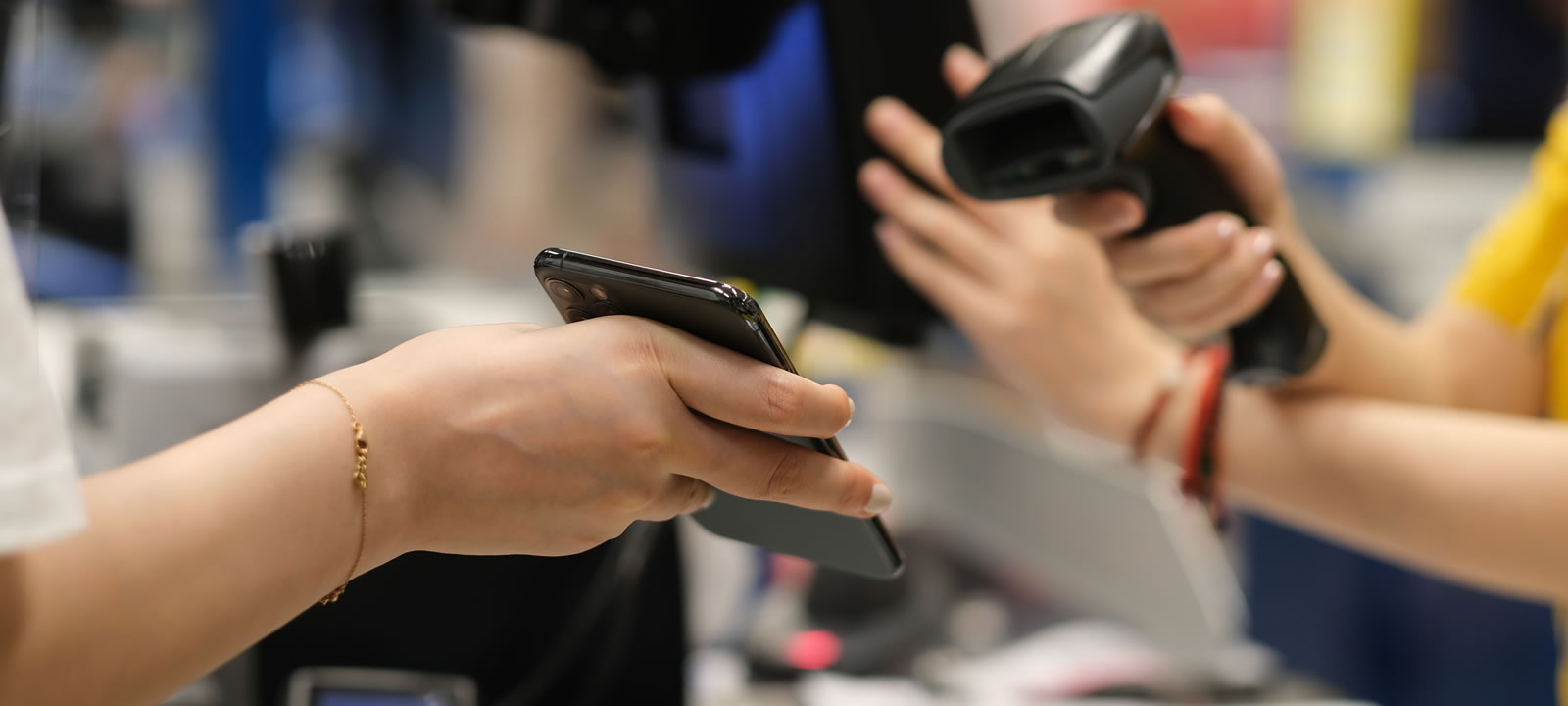
From Membership Cards to Mobile Apps: Why Loyalty Has Gone Digital
For years, membership cards were the physical symbol of customer loyalty. Whether it was tucked into a purse, kept in a wallet or forgotten in a drawer, the plastic loyalty card became a familiar part of the retail experience.
But customer expectations have changed. Today, shoppers expect brands and their rewards to be accessible through their phones. We shop, book, pay and communicate digitally, and loyalty is no different.
The shift from membership cards to mobile apps is not simply about replacing a plastic card with a digital version. It represents a bigger change in how businesses understand, engage, retain and attract customers.
Loyalty Needs to be Tore Than Just a Card
A traditional loyalty card has one primary purpose: identify the customer and record their purchases or rewards but a mobile loyalty app can do considerably more.
Customers can access rewards, vouchers, personalised offers, events and content from one place. For businesses, this creates a direct connection with the customer and more opportunities to increase shop frequency and ATV.
Our white-label loyalty apps combine rewards, personalised offers and customer insight to create loyalty experiences designed to keep customers coming back.
The Advantages of App-Based Loyalty
One of the main advantages of a loyalty app is simple: your customers already carry their phones everywhere. A physical membership card can be lost left at home but people have their phones with them at all times and also spend a significant amount of time online.
Ofcom estimates that UK adults spend almost three and a half hours per day online on their phone and use an average of forty-one different apps each month.
This means that your customers will always have their loyalty app with them and it makes it easier to communicate with them at relevant moments, whether promoting a seasonal event or offer, reminding someone about an expiring reward or encouraging a repeat purchase.
Digital Loyalty Gives You Better Customer Insight
From a retailers perspective, one of the biggest benefits of digital loyalty is the data behind the app.
Every interaction with a digital loyalty programme helps build a clearer understanding of customer behaviour. What do they buy? How often do they visit? How much do they spend? Which offers do they respond to?
This data can be used better understand your customers to create more relevant and timely communications and more intelligent loyalty strategies
For example, a garden centre could identify customers who regularly purchase plants but rarely use the café. A retailer could recognise customers who shop heavily around Christmas but become inactive during the rest of the year. A padel company could identify members who play regularly and those who have lapsed and incentivise them to return.
Instead of sending the same promotion to everyone, businesses can communicate based on actual customer behaviour.
Personalised Rewards Instead of Mass Promotions
Traditional loyalty marketing often relied on broad promotions such as sending the same offer to the entire customer-base but modern loyalty programmes can be much more targeted.
Personalised vouchers, spend-based rewards, exclusive member benefits and segmented offers can influence specific behaviours and significantly improve response.
The objective isn’t to discount everything. It is to make the right offer to the right customer at the right time.
That can make loyalty marketing more commercially effective, helping businesses to increase shop frequency, grow basket value, get lapsed customers shopping again and reward your most valuable customers.
Loyalty Apps and Data Connect the Wider Customer Journey
The most effective loyalty apps don’t operate in isolation. When connected to existing EPOS, ecommerce and the right CRM platform, they can become an integral part of the digital customer journey and the foundation for driving your loyalty scheme forwards.
A customer makes a purchase. Data builds in their profile. Their behaviour informs future marketing activity and offers. A relevant offer is then delivered through the app. The customer returns, interacts again and provides further insight.
It becomes a continuous cycle of data, engagement, purchase, improvement and retention.
This connected approach is central to Redfish’s wider Response Works proposition, bringing together customer insight, engagement and automation to create more personalised customer experiences across channels.
The Future of Loyalty is Digital – But the Objective Hasn’t Changed
The technology may have evolved from plastic cards to mobile apps, but the fundamental objective of loyalty remains the same: give customers reasons to keep coming back.
The difference is that businesses now have the data and tools to understand what their customers want and build their loyalty programme around that.
A loyalty app shouldn’t simply be a digital membership card. It should be a platform for engagement, personalisation and customer insight – helping businesses turn transactions into relationships and occasional customers into regular ones.
For businesses looking to modernise their loyalty offering, the question is no longer whether customers need another plastic card. It is how effectively you can put loyalty into their hands – and use the data and insight behind it to keep them coming back.
We bring loyalty, customer data and digital engagement together through loyalty apps and Response Works, helping businesses create more connected customer experiences and build long-term customer value. Get in touch with us today to see how we can help take your loyalty programme to the next level.